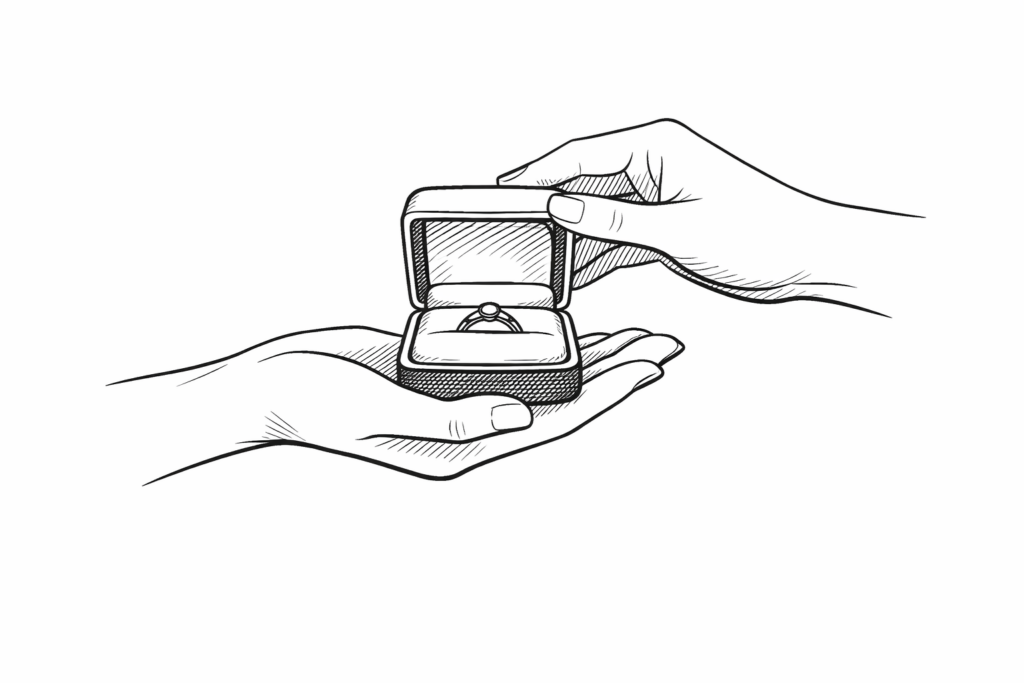
Selling Meaning, Not Metal: How Modern Jewelry Brands Actually Win
Jewelry is one of the few categories where marketing still has permission to be emotional without apology. A ring can represent commitment, status, rebellion, nostalgia, grief, ambition, or all of the above at once. That emotional range is why jewelry brands can scale into nine figures or quietly die with perfect margins and no demand. Winning is rarely about craftsmanship alone. It is about meaning, context, and distribution of belief.
Most jewelry founders learn this the hard way. They launch with beautiful product, thoughtful sourcing, and a clean Shopify theme. Sales trickle in. Ads work sporadically. Influencers ask for free product and never post. The brand feels premium, but the growth does not follow. The missing piece is not taste. It is positioning and audience imagination.
This piece is a refresher for experienced marketers and brand builders who know the mechanics but want sharper leverage. We will cover what consistently wins for modern jewelry brands, then move into unconventional niches and targets that most founders overlook but that quietly print revenue.
Why Jewelry Is a Marketing Category First
Jewelry does not sell like apparel or beauty. It is not replenishment-driven for most consumers. According to Statista, the global jewelry market is expected to surpass $330 billion by 2026, with the U.S. accounting for roughly $70 billion of that total. Yet repeat purchase rates for fine jewelry remain low unless the brand creates a reason to come back beyond life milestones.
Winning jewelry brands accept an uncomfortable truth early. They are not selling objects. They are selling stories that justify price, timing, and self-permission.
Tiffany did not sell diamonds. It sold arrival. Cartier sold legacy. Mejuri sold self-buying without guilt. Pandora sold accessible symbolism. None of these were accidental. Each brand narrowed the emotional use case until it was unmistakable.
For DTC brands today, this clarity matters even more. Paid media costs have risen by more than 60 percent over the last five years across Meta platforms according to Insider Intelligence. If your jewelry brand does not convert on first exposure or create strong organic recall, you bleed cash.
The Core Pillars of Winning Jewelry Brands
Before exploring unconventional niches, it is worth grounding in what actually works when done well.
1. Identity Over Inventory
The fastest-growing jewelry brands anchor around an identity the customer wants to inhabit. This identity usually shows up in three places.
First, product architecture. Winning brands avoid doing everything. They build collections that ladder into a worldview. Rings that stack intentionally. Necklaces designed to layer with meaning, not randomness. Pieces that feel incomplete without the rest.
Second, language. The copy speaks to the buyer’s internal narrative, not the metal. This is where many founders overcorrect into technical specs. Gold weight matters, but not as much as why this piece exists now.
Third, repetition. The brand repeats the same emotional beat across channels until it becomes recognizable. Consistency creates trust faster than novelty.
Hawke Media has seen this repeatedly across consumer brands where narrowing the message increased conversion rates by double digits even when traffic volume stayed flat. Positioning clarity is a growth lever, not a creative preference.
2. Occasion Engineering
Most jewelry brands rely on obvious moments. Engagements. Anniversaries. Holidays. That leaves enormous revenue on the table.
Winning brands manufacture new occasions. Mejuri normalized self-gifting on a Tuesday. David Yurman tied masculinity to subtle adornment rather than flash. Catbird turned permanence into a ritual with welded bracelets.
Occasion engineering works when the brand tells the customer when the jewelry belongs in their life. Not vaguely. Specifically.
One founder we worked with reframed their fine gold studs as “first promotion jewelry.” The campaign targeted women between 27 and 35 on LinkedIn and Instagram, speaking directly to professional milestones rather than romance. Average order value increased 28 percent, and return customers doubled within six months.
People want permission. Jewelry gives it when framed correctly.
3. Trust as a Growth Channel
Jewelry has a higher trust threshold than most DTC categories. Price sensitivity is tied to fear of regret. This is why social proof performs differently here.
UGC that works in beauty often falls flat in jewelry. Instead, long-form testimonials, founder stories, craftsmanship transparency, and resale value narratives carry more weight.
According to a McKinsey report on luxury consumer behavior, trust indicators like heritage, authenticity, and craftsmanship are among the top three purchase drivers for premium accessories, outranking trend relevance.
Winning brands treat trust as a channel. They invest in it deliberately.
Unconventional Niches Jewelry Brands Are Undervaluing
Now for the part most founders miss. Jewelry does not need to compete only in fashion lanes. Some of the most resilient brands win by attaching themselves to identities and communities that are not actively being marketed to by jewelry at all.
1. Jewelry for Founders and Operators
Startup culture has fashion signals, but jewelry has barely entered the conversation. This is a mistake.
Founders mark milestones differently. Funding rounds. Exits. First profitable month. Board seats. These moments are deeply emotional but rarely commemorated physically.
A jewelry brand that creates pieces designed to mark professional achievement taps into a high-income, under-served audience. Messaging shifts from beauty to legacy. From adornment to artifact.
Think signet rings reimagined for modern operators. Necklaces with coordinates tied to a company’s founding city. Pieces that are discreet, durable, and symbolic.
Distribution here leans into LinkedIn, private communities, newsletters, and founder podcasts. Influencers are not fashion creators. They are operators with credibility.
2. Jewelry as Identity Armor for Men
Men’s jewelry is growing quietly but steadily. According to Grand View Research, the men’s jewelry market is projected to grow at over 8 percent CAGR through 2030, driven by changing norms and younger consumers.
Most brands either go hyper-masculine or overly fashion-forward. The gap sits in the middle. Jewelry positioned as identity armor rather than decoration.
This includes rings worn daily that feel more like tools than accessories. Bracelets tied to discipline, sobriety milestones, fitness achievements, or personal codes.
Marketing here avoids trend language. It borrows from fitness, stoicism, and craftsmanship narratives. The brand voice is restrained, not loud.
These customers do not want drops. They want permanence.
3. Jewelry for Wellness and Recovery Communities
Wellness is saturated. Jewelry barely plays in it beyond crystals and clichés.
There is an opportunity to build meaningful pieces tied to recovery journeys. Sobriety anniversaries. Mental health milestones. Physical rehabilitation. Chronic illness resilience.
These audiences are deeply loyal when respected. They value symbolism over flash. The product does not need to shout. It needs to witness.
One brand we observed built a quiet but powerful following around minimal rings engraved with dates tied to personal recovery milestones. No ads. Growth came from referrals, therapists, and community leaders.
This niche requires sensitivity, but the upside is trust that cannot be bought.
4. Jewelry for Cultural Micro-Communities
Culture fragments faster than brands adapt. Jewelry brands that anchor into micro-communities win by relevance rather than reach.
Examples include diasporic identity jewelry that goes beyond flags or clichés. Subcultures tied to music scenes, gaming communities, or regional pride that is not tourist-driven.
The key is co-creation. These brands do not appropriate culture. They collaborate with it. Limited runs, shared storytelling, and community input matter more than scale early.
This approach mirrors what successful streetwear brands did in the early 2010s, but jewelry founders have been slower to adopt it.
5. Jewelry as Corporate Gifting That Does Not Feel Corporate
Corporate gifting is dominated by forgettable objects. Jewelry can win here if positioned correctly.
Instead of logo-heavy pieces, think understated, high-quality items designed to mark tenure, leadership, or partnership. Pieces that people actually wear.
Sales cycles are longer, but order values are meaningful. Distribution runs through HR leaders, founders, and executive assistants. Messaging emphasizes appreciation, not branding.
This niche rewards operational excellence and consistency over hype.
Channels That Actually Work for Jewelry Brands Now
Advanced marketers know the basics. What matters now is execution nuance.
Paid social still works, but creative fatigue hits faster. Static product shots underperform compared to narrative-led video that explains why the piece exists.
SEO is undervalued in jewelry. Long-tail queries tied to meaning, gifting, and milestones convert well when paired with strong editorial content. Hawke Media has seen jewelry brands capture high-intent traffic by building content around “what jewelry to buy for” moments rather than chasing generic product terms.
Email remains the most profitable owned channel for jewelry when used for storytelling rather than promotions. Drops without narrative train customers to wait.
Influencer partnerships work best when creators are chosen for alignment, not aesthetics. Micro-creators with authority inside a niche outperform large fashion accounts for trust-heavy purchases.
The Brands That Win Play the Long Game
Jewelry brands that scale sustainably share one trait. Patience with conviction.
They resist chasing every trend. They invest in meaning. They build rituals, not just collections. They speak to people who see themselves in the brand, not everyone with disposable income.
In a category crowded with beauty, the real advantage is clarity.
If you can answer who your jewelry is for, when it belongs in their life, and why it matters beyond today, the rest becomes execution.
The unconventional niches are not risky. They are simply underexplored. And in jewelry, being remembered is far more valuable than being seen.
Winning the Holidays Without Becoming a Holiday Brand
The holidays are the most dangerous time of year for jewelry brands. They offer the highest intent and the highest competition at the same time. CPMs spike, inboxes flood, and every brand suddenly sounds identical. Most jewelry founders respond by shouting louder. Winning brands do something else entirely. They design restraint, clarity, and timing into their holiday strategy.
Holiday success in jewelry is not about participating more aggressively. It is about deciding what role your brand plays in a season already overloaded with meaning.
The Holiday Buyer Is Not One Buyer
The biggest strategic mistake jewelry brands make during the holidays is assuming a single customer mindset. In reality, there are at least four distinct holiday jewelry buyers, each requiring different framing, creative, and timing.
First is the deadline buyer. This customer shops late, often under pressure, and wants certainty. Shipping guarantees, clear gifting language, and best-seller framing matter most here. Emotional storytelling matters less than confidence.
Second is the planner. This buyer starts early, compares brands, and often purchases higher-ticket items. They respond to education, craftsmanship stories, and long-form content. This is where email, SEO, and editorial shine.
Third is the self-gifter. This audience uses the holidays as justification rather than motivation. Messaging that leans into permission, reflection, and personal reward consistently outperforms discount-driven copy. Mejuri built much of its holiday momentum by speaking directly to this buyer.
Fourth is the symbolic buyer. This customer is not buying jewelry. They are buying meaning. Family milestones, grief, gratitude, or transition drive these purchases. The piece becomes a marker in time. These buyers respond to storytelling and specificity.
Winning brands map their holiday campaigns to these segments instead of forcing a single message across all channels.
Pre-Holiday Positioning Matters More Than Black Friday
Most jewelry brands treat November as the start of holiday marketing. That is already too late.
According to Google data, searches related to gift ideas begin rising as early as October, especially for higher-consideration categories like jewelry. By the time Black Friday arrives, many customers have already shortlisted brands they trust.
Winning brands use October to educate and orient. This is when you introduce collections, explain use cases, and anchor emotional narratives. Black Friday then becomes a moment of conversion, not explanation.
This is also why aggressive discounting often underperforms for jewelry. Heavy discounts create doubt. Customers start questioning quality, resale value, and longevity. Brands that instead offer subtle incentives, value-adds, or limited availability preserve trust while still driving urgency.
Designing Holiday Collections With Intent
Holiday collections should not exist solely to be festive. They should exist to solve a specific emotional or functional problem.
Some brands win by creating giftable entry points that introduce new customers without diluting the brand. Others win by elevating their hero products with limited packaging, engraving options, or bundled storytelling.
The key is that holiday collections feel inevitable, not forced. They should look like a natural extension of the brand’s worldview rather than a seasonal costume.
One founder we worked with resisted creating holiday-specific designs and instead introduced a “Year Markers” concept in Q4. Each piece represented a moment worth remembering. The holidays became the amplifier, not the theme. The collection outperformed the previous year’s holiday launch despite fewer SKUs and no discounts.
Timing Is a Competitive Advantage
Holiday success in jewelry is as much about timing as it is about creative.
Early November is ideal for storytelling campaigns and gift guides. Mid-November to early December favors reminders, social proof, and confidence-building content. The final two weeks before major shipping cutoffs should focus almost exclusively on clarity and reassurance.
Post-holiday is equally important. Jewelry brands often abandon momentum after December 25. Winning brands lean in. Self-gifting peaks between Christmas and mid-January as people spend gift cards, bonuses, or simply reclaim agency after the chaos. Messaging should shift from giving to owning.
According to the National Retail Federation, nearly 30 percent of holiday-related purchases occur after Christmas, driven largely by self-purchases and exchanges.
Channel Strategy Shifts During the Holidays
Paid social becomes more expensive and less forgiving during Q4. Jewelry brands that rely solely on prospecting struggle. Retargeting, email, SMS, and organic content carry disproportionate weight.
Email, in particular, outperforms during the holidays when used for narrative sequencing rather than daily promotions. Brands that treat email as a story arc rather than a sales drum often see higher revenue per subscriber.
SEO also plays a quiet but powerful role. Gift-related long-tail queries convert well when paired with authoritative content. Jewelry brands that invest in holiday-adjacent evergreen content often see compounding returns year over year rather than one-time spikes.
Influencer partnerships shift during the holidays as well. Instead of broad awareness, creators function best as validators. Their role is to reduce anxiety, not generate hype. Thoughtful gifting content often outperforms overt promotion.
The Brands That Win the Holidays Know When Not to Compete
The most counterintuitive holiday insight is this. You do not need to win every day of the season.
Some of the strongest jewelry brands intentionally opt out of Black Friday entirely or reframe it. Others limit inventory and let scarcity speak. Some go quiet on paid media and double down on owned channels.
This restraint signals confidence. And in jewelry, confidence sells better than urgency.
The holidays reward brands that know who they are and who they are not. If your brand tries to be everything in December, it risks becoming forgettable in January.
Winning the holidays as a jewelry brand is not about louder offers or broader reach. It is about precision. Precision in audience, timing, message, and meaning.
When the season ends, the brands that endure are the ones customers remember without being reminded.